NEW HISTORICAL RELEASE

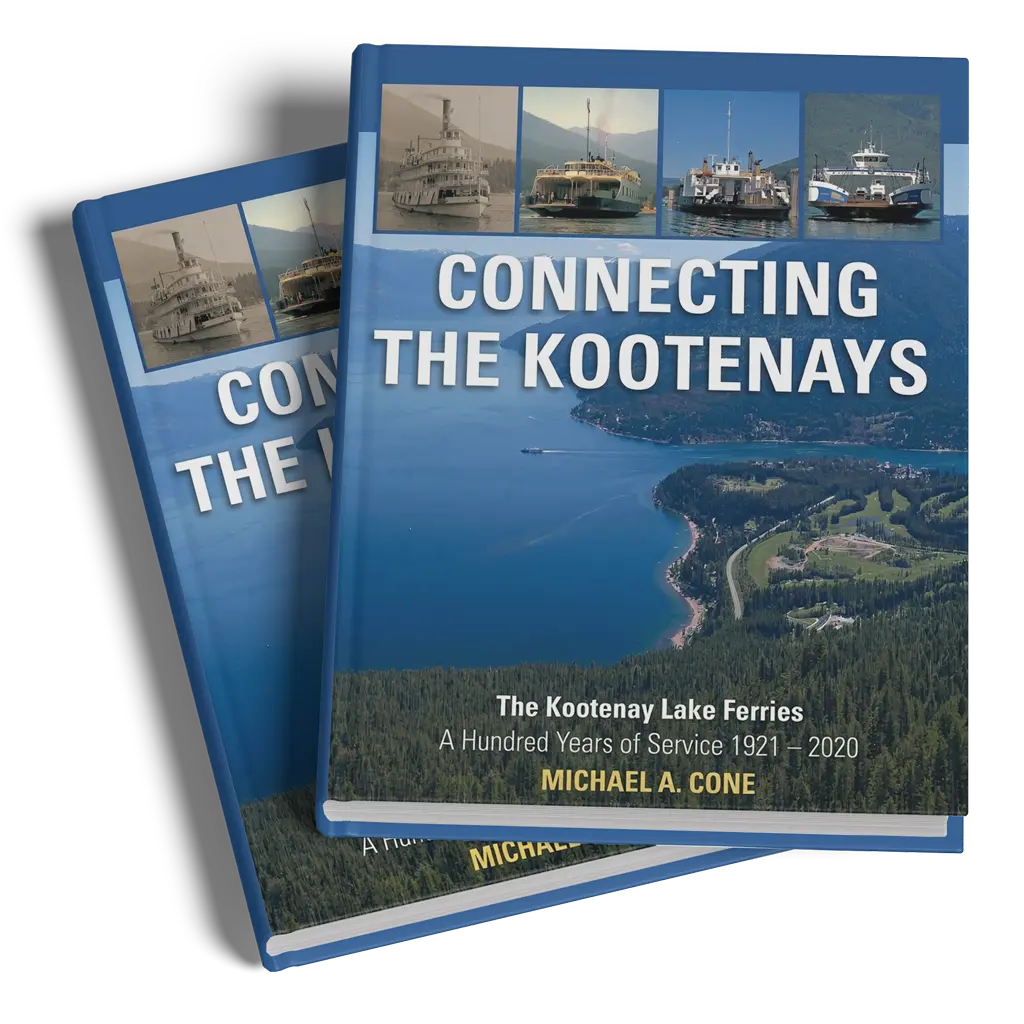
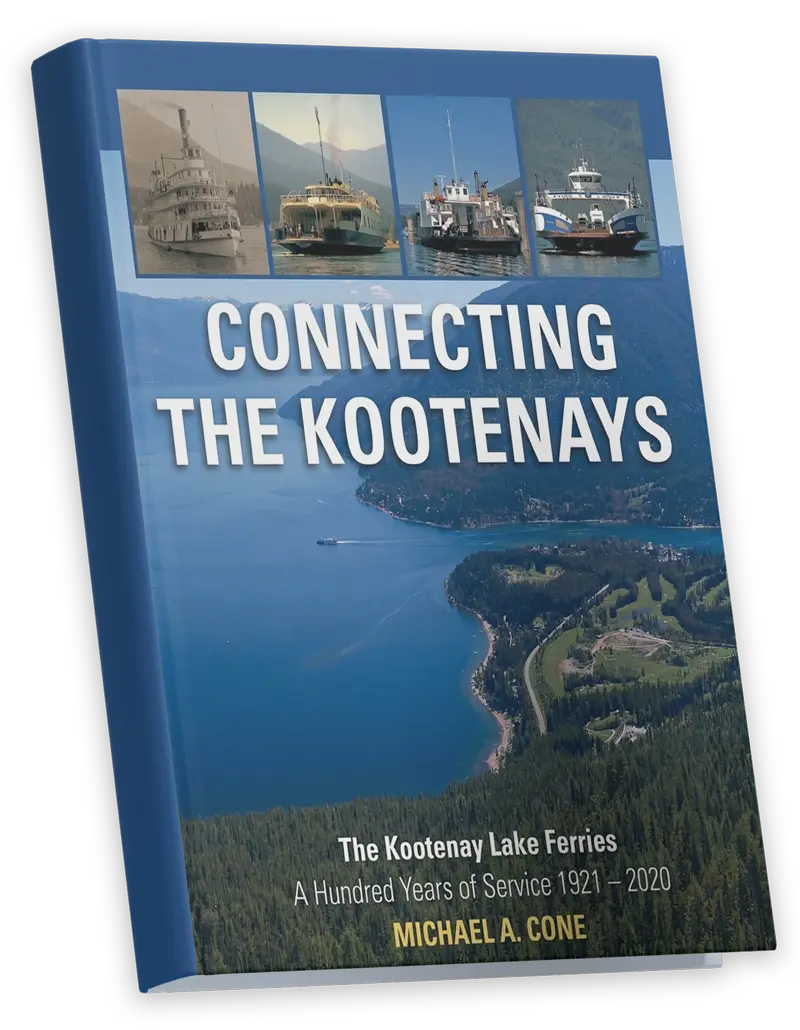
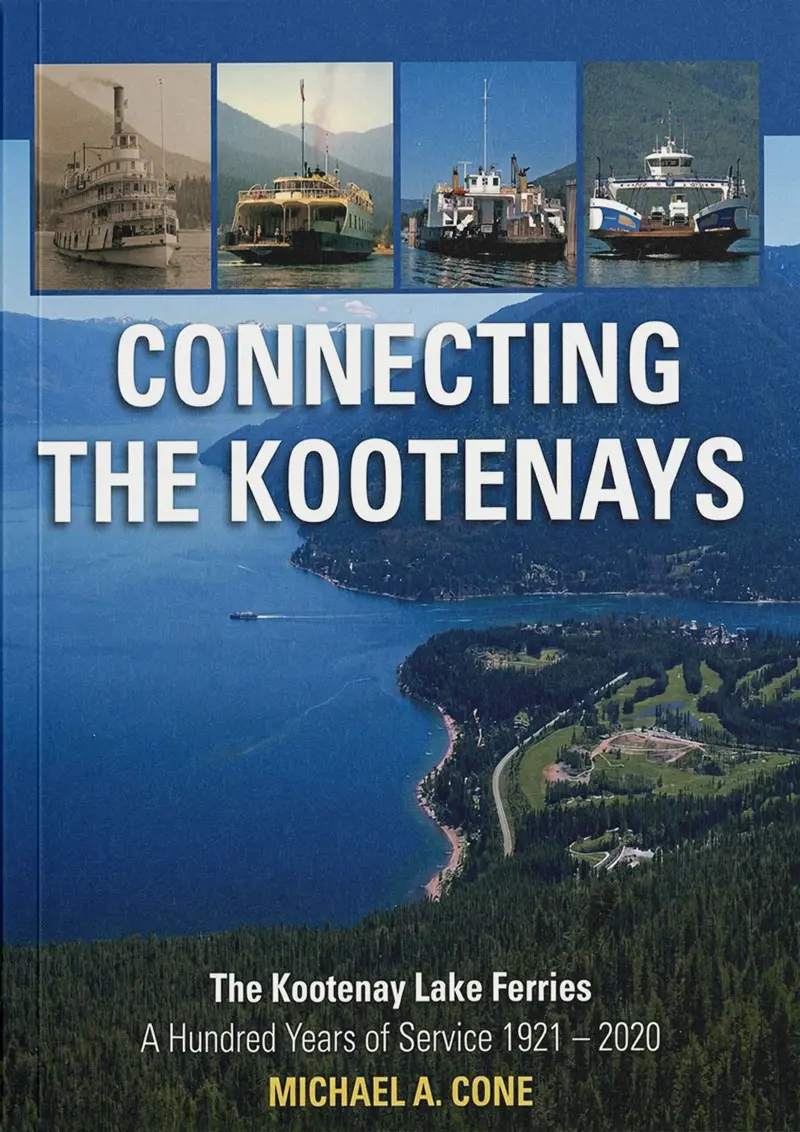
Connecting the Kootenays

The definitive story of the Kootenay Lake Ferries (1921-2020) and the evolution of a region's lifeline.

The Book

$45
Plus Tax / Shipping
A meticulously researched volume detailing the mechanical and social history of British Columbia's interior waterways.
The Book
9x12" softcover, filled with colourful first-hand accounts.
The Story
330 pages summarizing more  than 50 years of Kootenay Lake.
Photography
Richly illustrated, with many never before seen photos.

Preview The Journey

Get a high resolution PDF of the first chapter.
Join our mailing list for more historical updates and future releases.
NEW HISTORICAL RELEASE

A Century on the Water

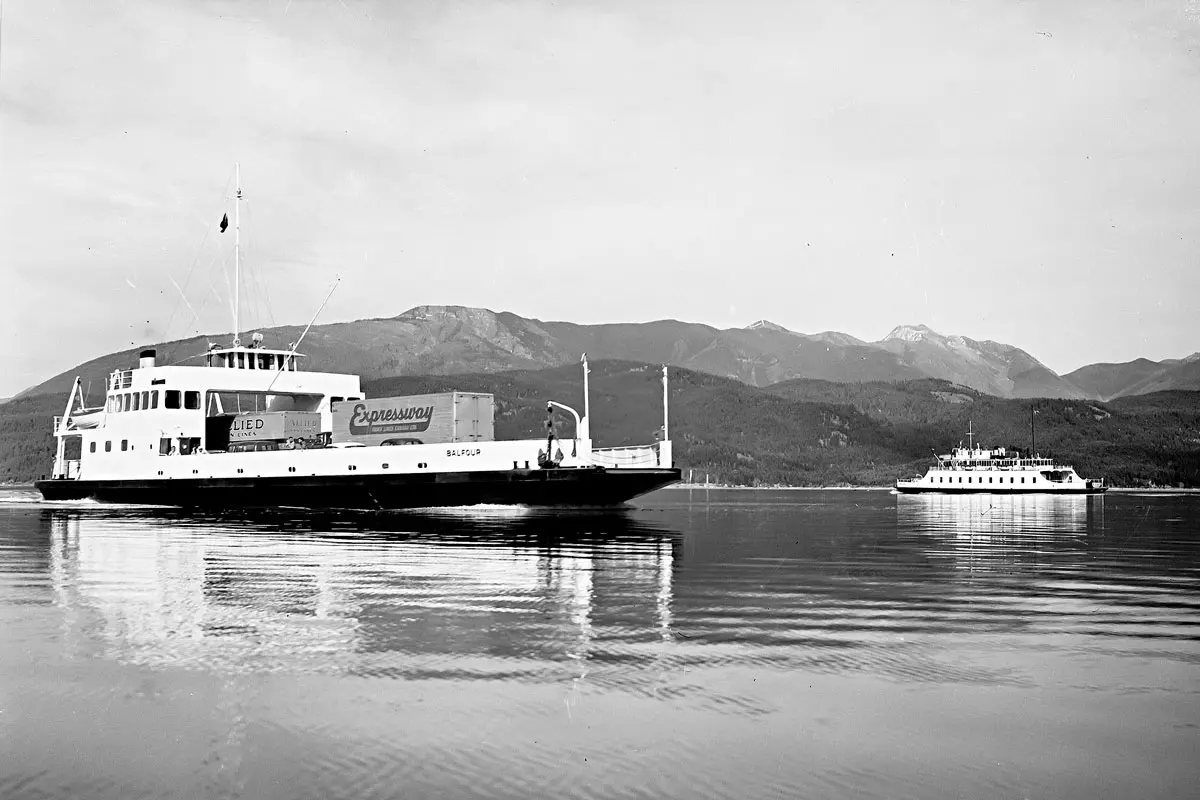
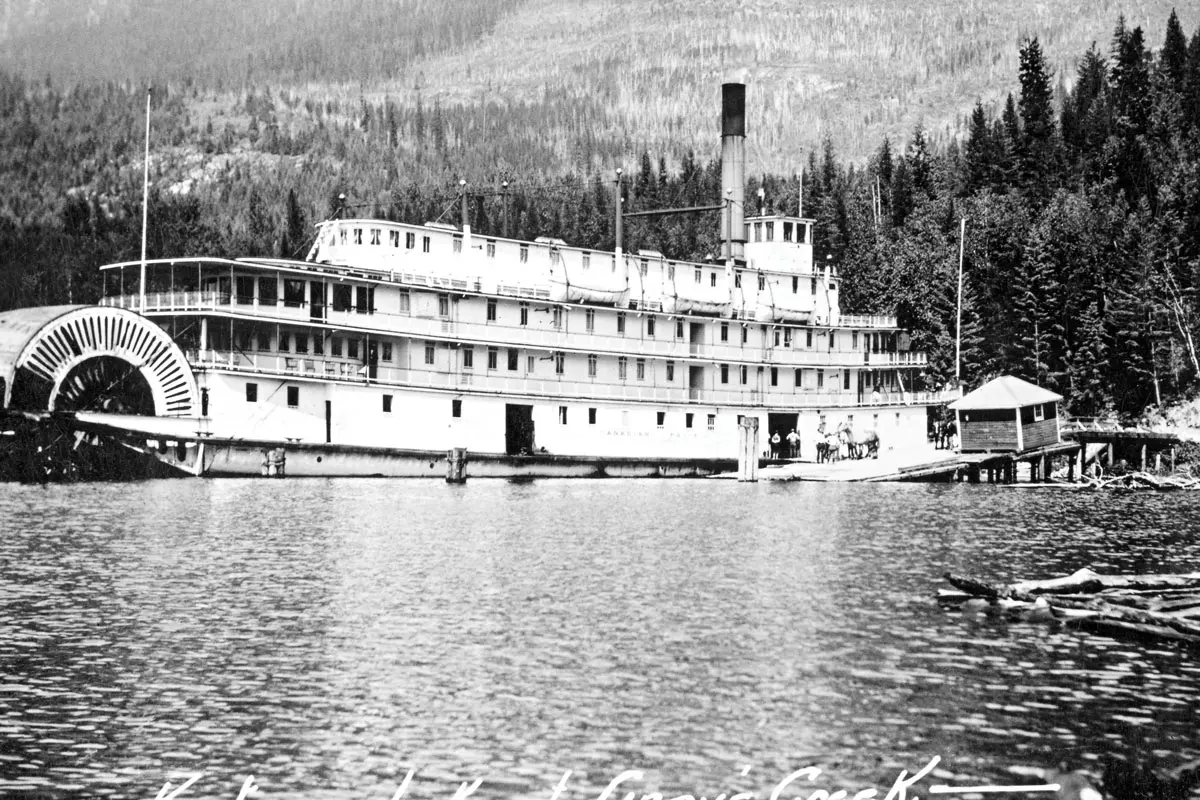
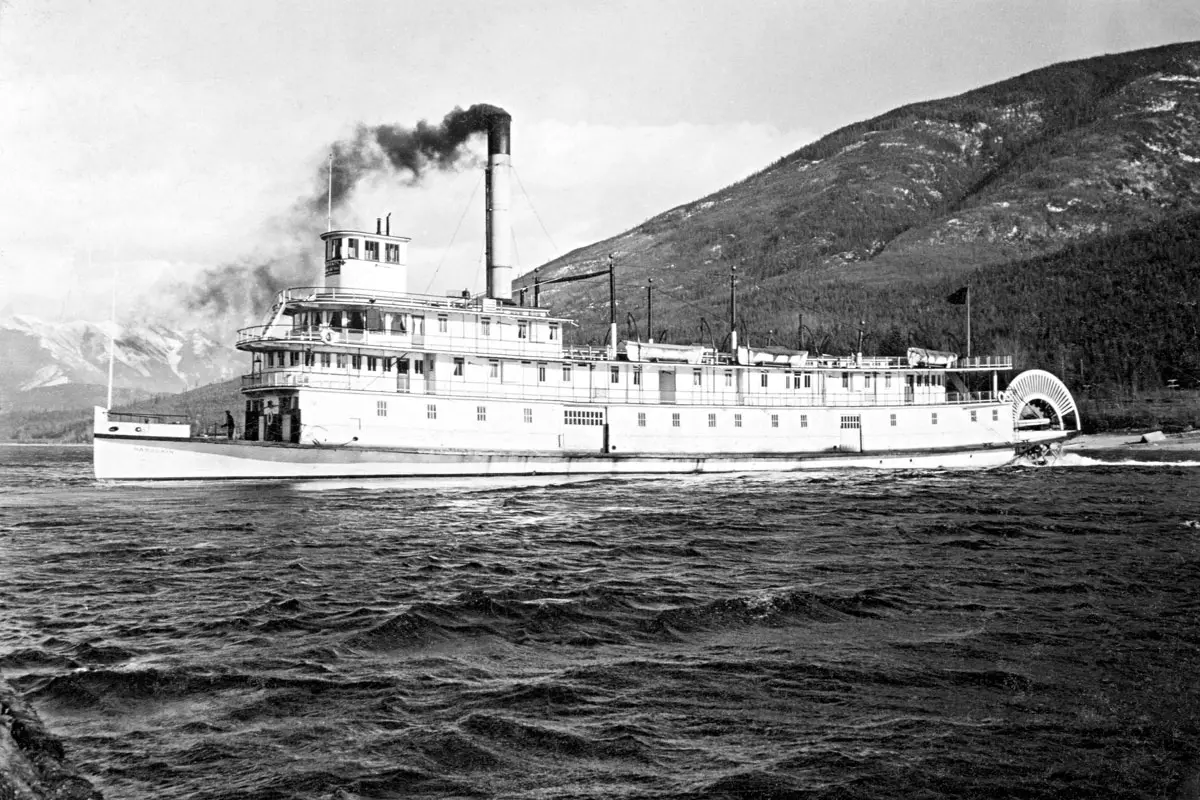
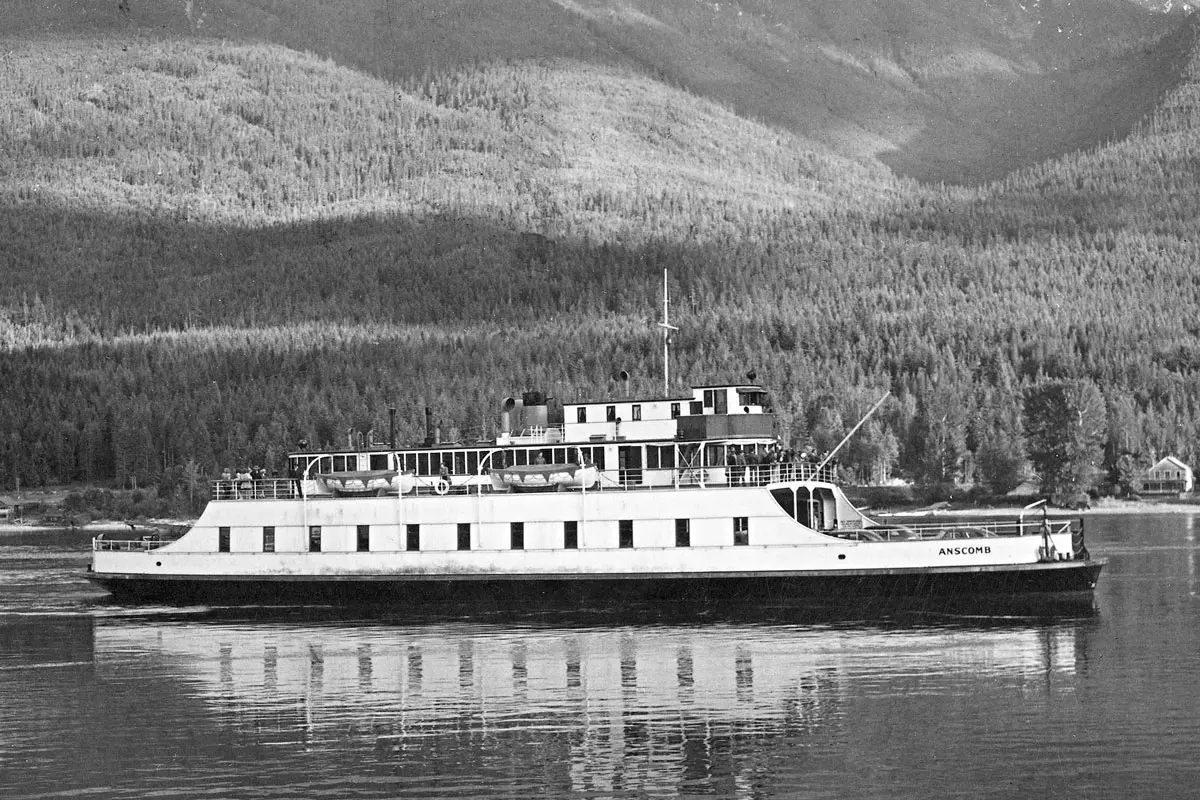
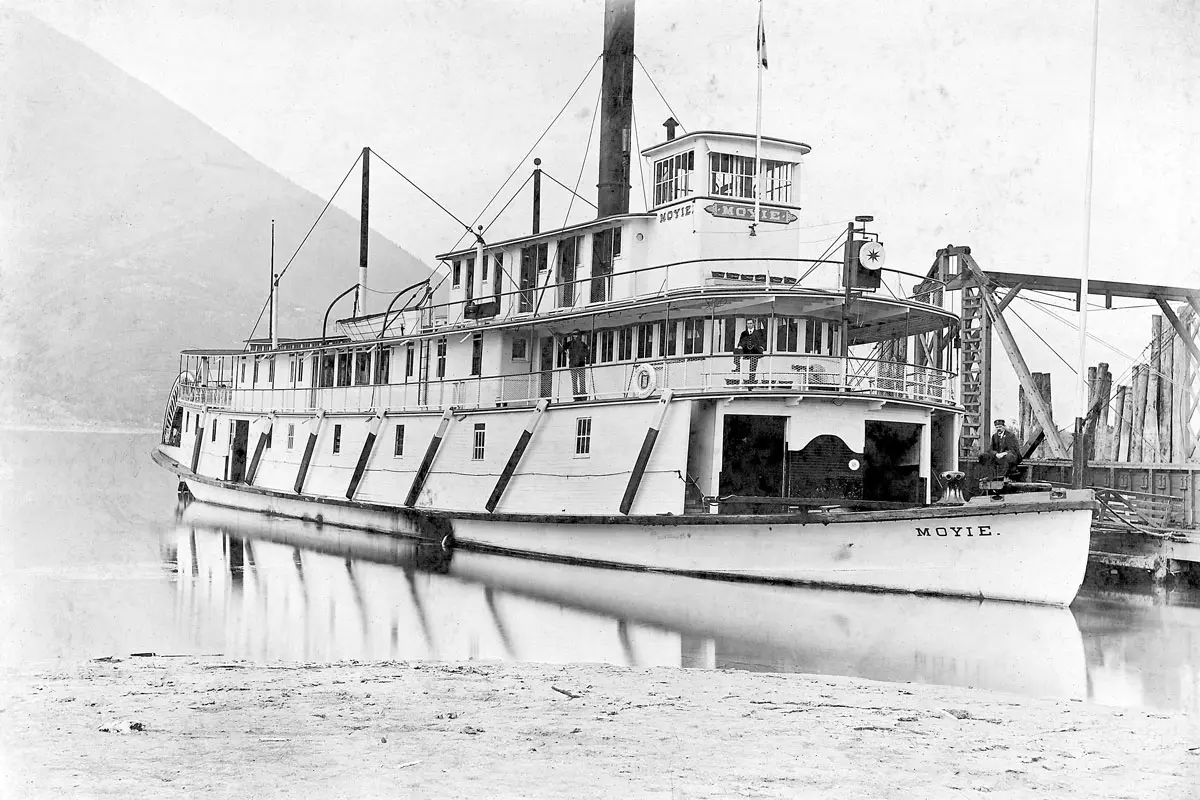
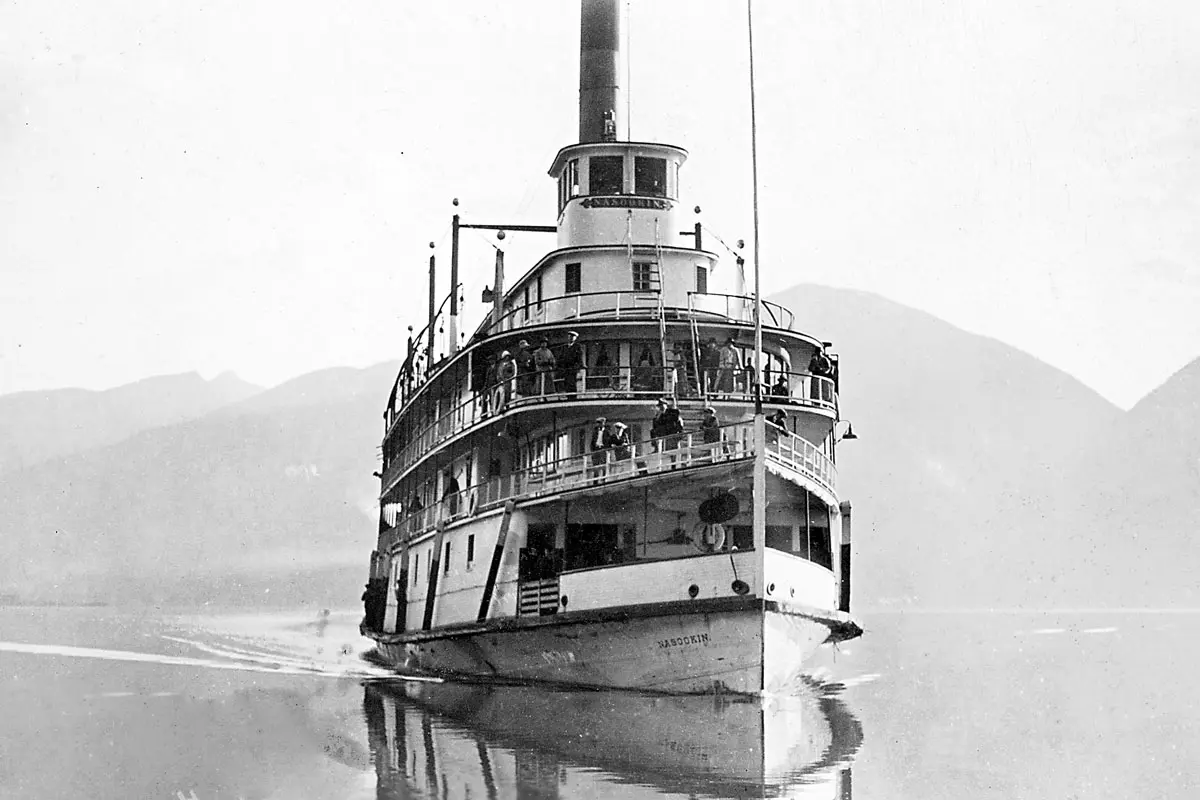
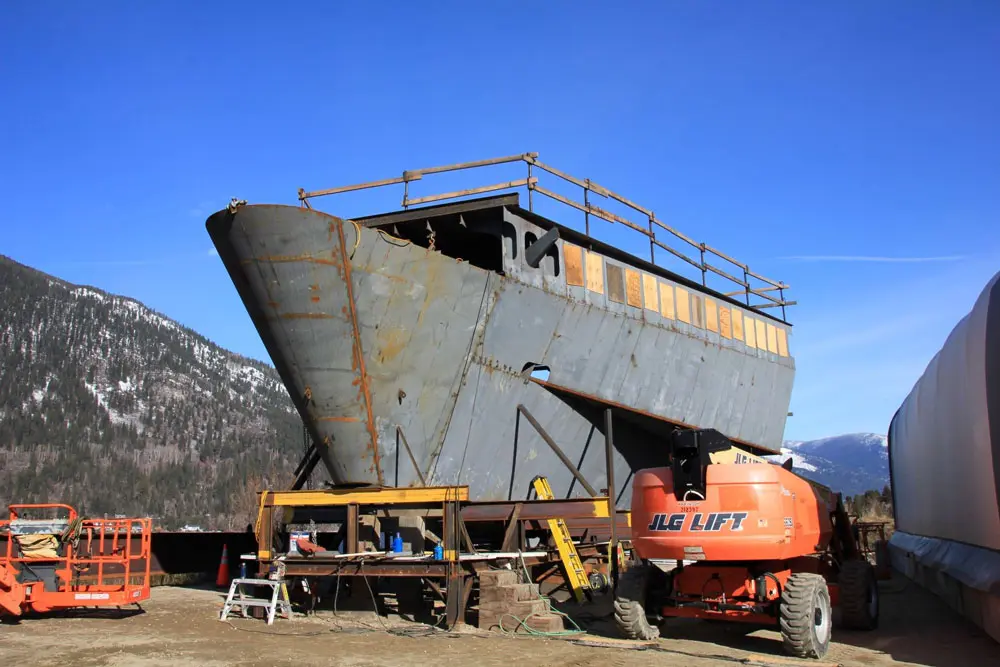
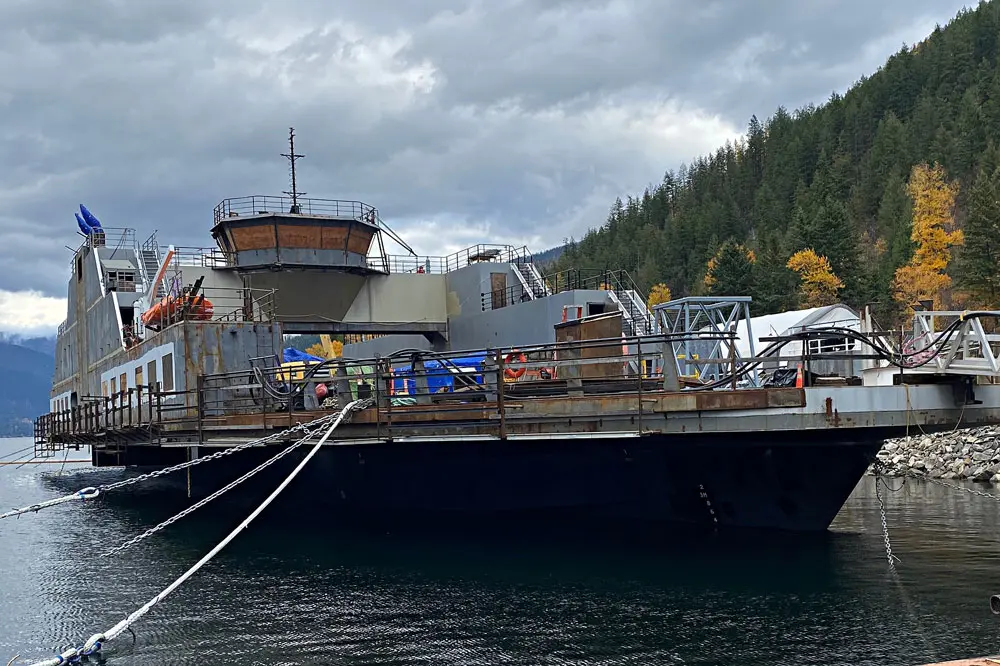
Connecting The Kootenays is the history of a century of ferry service across Kootenay Lake. It follows the service from its genesis in 1921, when it first linked the East and West Kootenays together as part of the visionary Southern Trans-Provincial highway, right up until its 100th anniversary in 2020, when the existing two-ferry operation is on the verge of turning another page with the introduction of a new ‘electric ready’ ferry with state-of-the-art technology. The story starts with coal-fired CPR sternwheelers - graceful and luxurious in their accommodations - carrying automobiles between Kuskanook and Nelson and then progresses to a ferry service owned and operated by the Provincial Government. From 1931 until 1947, the ferry ran between Fraser’s Landing and Gray Creek. In the post-War boom, the route was shortened to what it is today. For the next 73 years, Kootenay Lake ferries have crossed between Balfour and Kootenay Bay, always ready to provide a safe, convenient, sometimes vital year-round link to the communities they serve, regardless of how bad the weather is.

The 330 page book chronicles the changes that have taken place over the century, from transformations in ferry designs and docking facilities, improvements in navigation techniques, evolution in crew uniforms and safety, to privatization of operations, revised scheduling and, not to forget, the removal of the ferry tolls in 1963. Over the years, the operation has altered course to keep pace with the changes in public taste, ranging from demands for shorter routes and less congestion, improved on board and terminal conveniences, to changes in automobile styling, including the advent of RV’s and larger commercial trucks.

MEET THE AUTHOR

Michael Cone

A lifelong resident of the West Kootenays, Michael Cone has spent over 5 decades documenting the maritime and industrial heritage of Kootenay Lake. His work combines meticulous archival research with oral histories from the people who lived the story.
"The lake is the heartbeat of our region. To understand the ferries is to understand the soul of the Kootenays."
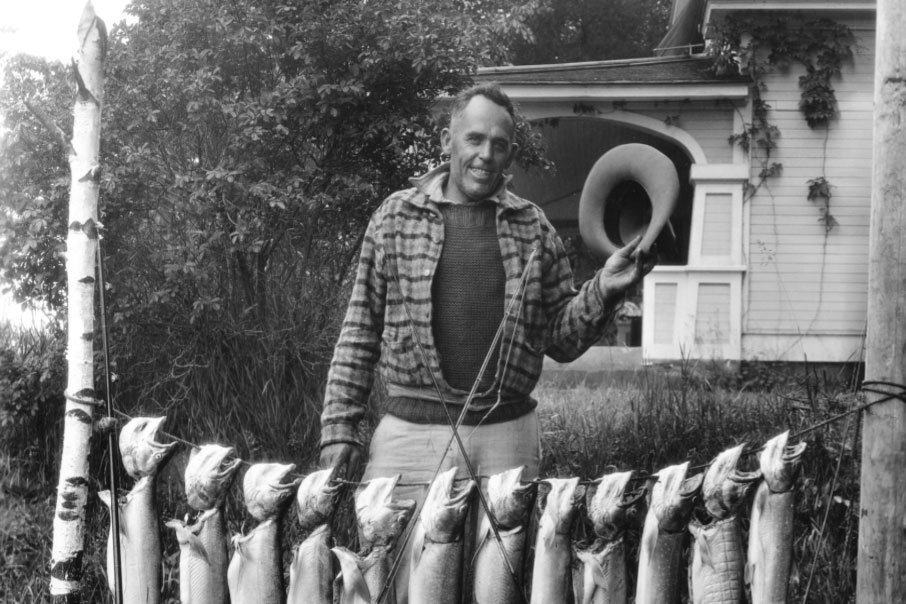
RESTORED HISTORIC PLATES FROM THE ARCHIVE

Archival Gallery

Acclaim

"Kootenay Lake is the largest ice free lake in Canada and it has always been a travel route for native canoes, rowboats, sternwheelers and ferries. As a long north-south barrier for east-west travel, ferries havs been necessary and this need was accentuated as traffic increased. Michael Cone has spent years researching, browsing archives, interviewing people from deckhands to terry captains, and he has now produced an extremely important and readable book."
-Tom Lymbery
"Michael Cone has written the definitive account of the Kootenay Lake ferry service. Full of eye-popping photos and rich in detail. it's a spectacular look at the vessels that have linked the laks and the people who operated them."
-Greg Nestoroff
"This amazing new book, full of history, photographs and stories, will reward any reader with an interest in the Kootenay area, and its roods, railways, sternwheelers and ferries. Congratulations to Michael Cone; his many years of research and writing have produced a remarkable, thorough, and detailed work."
-Luanne Amstrong
ARTICLES AND OTHER WRITING

From the Archives

Connecting the Kootenays

The definitive story of the Kootenay Lake Ferries (1921-2020) and the evolution of a region's lifeline.